

Home Blog Page 9

The Development of Housing: Principal Patterns in Residential Property

0
Development of Housing

The scene of house and residential property development is changing dramatically. Driven by technological improvements, shifting demographics, changing consumer tastes, and the increasing attention on sustainability, developers and architects are reinventing what modern living environments should look like. The demand to innovate in residential development has never been more as urban populations grow and environmental issues get more pressing.

We shall investigate the main trends influencing the development of housing on this blog. These patterns show changes in people’s living, working, and interacting with their surroundings as well as in the construction of homes. Knowing these trends will enable consumers and investors to negotiate the fast shifting real estate market and make wise future decisions.

Development of Housing Green Building Strategies and Sustainability

The emphasis on sustainability is among the most important and long-standing trends in residential property development. Growing attention is on building environmentally friendly, energy-efficient homes as resource depletion and climate change become more urgent worldwide problems.

Energy-Efficient Architectural Design

Energy-efficient designs and materials are now often included into new homes. Many modern homes are including solar panels, insulation, energy-efficient lighting, and high-performance windows. These characteristics not only cut household utility expenses but also energy usage.

Along with smart thermostats and energy management systems allowing tenants to monitor and control their energy use, passive solar design—which maximizes natural light and solar heat—is becoming more and more popular. Residential communities are increasingly using renewable energy sources such solar, wind, and geothermal energy to help to lower dependency on fossil fuels.

Environmentally Friendly Materials

Recycled steel, repurposed wood, and low-VOC (volatile organic compounds) paints and finishes are among the sustainable resources developers are choosing more and more These products help to lower building’s environmental impact and improve indoor air quality for occupants. Urban Development of Housing are including vertical gardens and green rooftops to help to lessen the urban heat island effect and support biodiversity.

Water Resource Management

Another absolutely vital element of sustainable homes is water economy. New buildings increasingly include greywater recycling systems, low-flow plumbing fittings, and rainwater collecting systems to aid to lower water consumption and lessen the effects of droughs and water shortages.

Smart Homes and Technology Integration

The way we live is changing as smart home technology is being incorporated. From completely automated home systems to smart appliances, technology is transforming domestic environments and offering convenience, security, and energy economy.

Home Automacy Systems

From their cellphones or through voice commands, smart home systems let homeowners control security, heating, air conditioning, and lighting. By learning daily routines of a resident and automatically adjusting settings, advanced systems maximize comfort and energy use. Lights, for instance, can switch off on empty rooms automatically, and thermostats can change depending on occupancy patterns or outside temperature.

Internet of Things (IoT) Devices

The Internet of Things (IoT) is enabling homes to be linked more readily. Refrigerators, washing machines, and security cameras among other smart gadgets may interact with the homeowner and each other to provide real-time data on energy consumption, security alerts, and even maintenance needs. These developments are improving user-friendliness, efficiency, and safety of dwellings.

Development of Housingh Home offices and remote work

Residential homes are being built with home offices and workstations in mind as remote work grows more prevalent. New homes are including soundproof rooms, high-speed internet connectivity, and ergonomic furniture to serve the rising number of people who work from home at least part-time.

Affordable Homes and Micro-Units

Housing affordability has grown to be a serious issue in cities all around as urbanization speeds forward. Particularly in cities, the cost of living has soared, which makes renting or owning rather difficult for many people. Developers are concentrating on building alternate living quarters and reasonably priced homes to help with this problem.

Micro-Units

Small flats between 250 and 500 square feet, known as micro-units, have become rather popular in highly crowded cities. These little dwelling quarters provide cost without compromising usefulness. Fold-away furniture, built-in storage, and multifunctional rooms help many intelligently designed micro-units maximize space.

A increasing group of single professionals, young couples, and retirees who value location and lifestyle above square footage also finds micro-living appealing. These smaller areas provide a minimalist way of life that fits the trend toward downsizing and streamlining of living quarters.

Modular and prefabricated homes

Modular and prefabricated homes offer still another reasonably priced option. Built off-site in a factory environment, these homes are then delivered to the building site for assembly. This approach lowers material waste, labor expenses, and building time, therefore enabling customers to afford housing more easily. Offering a sustainable and reasonably priced alternative for house development, prefabricated dwellings are also adaptable and can be constructed to high energy-efficient criteria.

Co-living Areas

Particularly in expensive cities, co-living is a rising trend. Under this idea, one shares living quarters with others yet maintains private bedrooms or smaller flats. Often including common kitchens, offices, and leisure facilities, co-living projects support social contact and community-building by means of these areas.

Co-living gives millennials and younger generations a flexible and reasonably priced place to live that promotes community. Providing shared facilities including high-speed internet, coworking spaces, and networking events, many co-living environments are tailored to meet the demands of digital nomads, freelancers, and remote professionals.

Aging in Place and Multigenerational Living

Growing demand for homes able to house senior citizens results from population aging. Residential developers now give aging in place, or the capacity to live independently in one’s house, top importance. Simultaneously, multigenerational homes—where several generations of a family live under one roof—are growing more popular.

Universal Design

Universal design ideas are common in homes meant for aging in place since they guarantee that areas are accessible and functional for persons of all ages and ability. Among these characteristics are larger doorways, step-free entries, restroom grab bars, and lever-style handles rather than conventional doorknobs. As occupants’ demands evolve, the aim is to build homes that are safe, cozy, and flexible.

Multi-generational Homes

Different generations living together can be accommodated in multigenerational houses through architecture. Many times, these residences have several living areas with separate bathrooms, kitchens, and doors for maximum privacy. Rising housing expenses and a need for families to remain close call multigenerational living gives families both financial and emotional advantages.

As family dynamics evolve, developers are adding adaptable floor patterns that let houses be quickly rearranged. Strong family-oriented cultures and immigrant populations where multigenerational living is more common help to explain this tendency especially in those areas.

Mixed-Use Development and Walkable Communities

Long commutes and urban sprawl are giving way to increasingly small, walkable neighborhoods. Offering a more practical and ecological way of living, mixed-use projects combining residential, business, and leisure areas inside the same region are becoming increasingly popular.

Walkability and Amenities Access

By giving inhabitants simple access to public transportation, basic services, and leisure activities, walkable communities help to lower the demand for cars. Mixed-use projects can contain grocery stores, cafes, fitness centers, parks, and schools within walking distance, thereby creating lively neighborhoods where people might live, work, and hang around without having to drive great distances.

Millennials and empty-nesters who value sustainability, social engagement, and convenience may find especially enticing these advancements. Mixed-use projects also help to cut traffic congestion in cities and greenhouse gas emissions by less reliance on vehicles.

Transit-Oriented Development (TOD)

Designed with high density housing close to public transportation hubs including bus stops, train stations, or light rail systems, transit-oriented development (TOD) emphasizes This strategy promotes public transit, lessens automobile congestion, and gives locals more environmentally friendly choices for getting about. In cities experiencing notable population increase as well as the necessity for effective, environmentally sustainable transportation options, TD is especially crucial.

Biophilic Design

In residential construction, biophilic design—which stresses the link between people and nature—is starting to take front stage. Natural components include plants, water features, and natural light can help to lower stress, boost mood, and increase general well-being. Indoor gardens, green walls, and outdoor areas meant to link residents with nature abound in many of the new projects.

Amenities for wellness

Apart from green areas, homes are adding wellness facilities including yoga studios, exercise centers, walking lanes, and meditation rooms. With sophisticated filtering systems that lower pollutants and allergens, therefore guaranteeing better living conditions for occupants, developers are also giving air and water quality top priority.

Final Thought: Residential Property Development Ahead

Combining technical developments, environmental initiatives, population changes, and changing customer tastes drives the evolution of housing. Residential property development is changing to fit the demands of a varied and active population from smart homes and energy-efficient designs to reasonably priced micro-units and multigenerational living quarters.

Developers will keep innovating as we look ahead, building homes and communities that are not only aesthetically pleasing but also sustainable, inclusive, fit for better, more linked life. Maintaining success in the often shifting real estate scene for residents as well as investors depends on keeping ahead of these trends.


Doge Miner: Mine Dogecoin and Build Your Space Empire!

0
doge miner

Though there have always been unique, eccentric, and quite addictive games in the realm of online gaming, few truly reflect the attitude of internet culture like Doge Miner. Using the well-known Doge meme, players of this basic yet interesting browser-based game mine Dogecoin, develop their tools, and create a space empire. Whether your interests are crypto and the Dogecoin frenzy or you’re a casual gamer searching for a fun way to pass the time, Doge Miner provides an original experience that keeps users returning for more.

The Beginnings of Doge Miner

Originally part of the larger Dogecoin phenomena, the Doge Miner game became somewhat well-known. Inspired by the Shiba meme that exploded on the internet, Dogecoin itself was developed as a playful bitcoin. Unlike other cryptocurrencies, Dogecoin began as a joke but rapidly developed a strong community and became a generally acknowledged digital money. Dogecoin’s lighthearted character makes it the ideal source of inspiration for a game allowing users to mine virtual currency and amass money.

Playing Doge Miner: How to

Doge Miner fundamentally is a clicker game. Starting with a basic goal—mine Dogecoin by clicking on a large coin players Investing Dogecoins in different upgrades can help you to automate the mining process, so accelerating and improving it. These improvements consist in employing Shiba Inu assistants, purchasing mining tools, and finally building rockets to probe space.

The mechanics of the game are simple yet compelling. You earn more the more you mine; therefore, you can reinvest more into improved infrastructure and gear. Your little mining business soon becomes a large space empire run on Dogecoin riches.

Characteristics That Captivate Users

Though initially appearing as a basic clicker game, Doge Miner has various features that keep users interested for hours:
Players may purchase mining equipment, rocket boosters, even moon bases to raise their income. Automation is quite important for you to grow your mining company.
Embracing the humor and appeal of the Doge meme, the game uses lighthearted in-game messaging and whimsical animations to make mining fun.
Progressive tasks: The game presents novel tasks as you unlock new successes, thereby guaranteeing always something new to aim for.
One of the most hippest features of the game is the lunar and beyond travel capability. Players have to mine enough Dogecoin to buy a spacecraft and venture over uncharted territory.

The link between Dogecoins

Doge Miner’s ties to the actual Dogecoin community help to explain why it is still rather popular. The game itself does not mine dogecoin; rather, it catches the joyful viewpoint and community-driven energy of the coin. Gamer of dogecoins enjoy the game since it honors their preferred coin.
The (DOGE) has also helped the game by becoming more popular from time to time, especially when famous people like Elon Musk tweet about it and make the internet go crazy. Doge Miner is trending alongside Dogecoin since more people discover the game as a fun approach to interact with the meme coin as they get interested in it.

Why Does the Miner Stand Out? Why Doge

doge miner

Though there are many clicker games available, Doge Miner distinguishes itself for a number of reasons.
It is playful and humorous. The game is charming in part because it doesn’t take itself too seriously. The Doge meme itself is primarily humorous, and Doge Miner totally welcomes that attitude.
Its progress system is pleasing. Doge Miner keeps players interested with significant upgrades and milestones unlike some clicker games that feel repetitious.
Every person could access it. benefit from Doge Miner does not depend on your level of gaming or knowledge about cryptocurrencies. Though difficult to put down, it is easy to learn.
It makes use of online culture. Dogecoin, memes, and space flight? It’s exactly the mix for a gaming experience driven by the internet.

Advice and Techniques for Excellence

Here are some ideas to enhance your mining productivity and create your space empire faster if you are just starting with Doge Miner.
Give early priorities for improvements top importance Invest your Dogecoins on improvements that automatically mine, even if clicking manually is enticing. This will raise your income even in non-active clicking.
Give Multipliers first priority. Certain improvements yield exponential results. Search for power-ups dramatically raising your Dogecoin per second (DPS) pace.
Don’t Neglect Space Exploration: Approaching the moon opens even more chances for development. Save for a spacecraft right away to increase your mining capability.
Keep Playing for Bonuses; the game gives long-term play special boosts and multipliers. Your mining empire gets more strong the more tenaciously you keep to it.

The Prospect for Doge Miner

Although Doge Miner is already a great game, it is always open for improvement. New upgrades, features, and challenges introduced by developers help to maintain the freshness of experience. Potential future developments might consist in:

Imagine digging Dogecoin on Mars or in a far-off stellar system! New Planets and Galaxies

Multiplayer Elements: There might be an interesting competitive twist if one is vying for Dogecoin supremacy versus other players.

Integration with Real Dogecoin: Although the game is now only for fun, next iterations might include blockchain components or actual Dogecoin incentives.

To the Moon and Beyond, then!

Doge Miner is worth looking at whether your passion is die-hard Dogecoin or just someone searching for a fun and interesting game. Packed with humor, it’s easy to play and features satisfying development. The idea of mining Dogecoin and creating a space empire seems fun as well, and the game’s link to online culture adds to its appeal.

What then are you waiting for? Start mining, improve your empire, and almost practically ready to bring Dogecoin to the moon. Quite amazing, really space, this game! 😉 🚀🐶💰

Mexican Macaroni Salad: A Zesty Twist on a Classic Comfort Dish

0
Mexican Macaroni Salad

Mexican Macaroni Salad

Few side dishes unite people quite like the timeless charm of macaroni salad. Creamy, comforting, and endlessly adaptable, it’s been a staple at family gatherings, barbecues, and potlucks for generations. But if you’re craving a little extra zing in your life, Mexican Macaroni Salad is here to spice things up. Vibrant, bold, and bursting with flavor, this reimagined dish blends classic comfort with the fiesta of Mexican ingredients we all love.

The Mexican Macaroni Salad Inspiration

Traditional macaroni salad leans toward a mellow, creamy flavor—often built on mayo, mustard, celery, and onions. But Mexican cuisine is all about celebrating boldness. By incorporating ingredients like lime juice, avocado, bell peppers, jalapeño, cotija cheese, and fresh cilantro, Mexican Macaroni Salad transforms the classic into something truly special: refreshing, colorful, and deeply satisfying.


What Makes Mexican Macaroni Salad Different?

This salad is not just a meal—it’s an experience. It balances creamy textures, crunchy veggies, a hint of heat, and zesty citrus notes to awaken every taste bud. Let’s break down the key components.

🌽 Pasta Base

  • 2 cups elbow macaroni (or any small pasta shape)
  • Water + salt (for boiling)

🥣 Creamy Dressing

  • ½ cup mayonnaise (or Greek yogurt for a lighter version)
  • ¼ cup sour cream
  • 1 tsp Dijon mustard
  • Juice of 1 lime
  • 1 tsp chili powder
  • ½ tsp cumin
  • ½ tsp garlic powder
  • Salt and pepper to taste

🥗 Fresh Ingredients

  • ½ cup chopped red bell pepper
  • ½ cup chopped yellow bell pepper
  • ½ cup finely diced red onion
  • 1 cup cherry tomatoes, halved
  • 1 cup corn (fresh, frozen, or canned)
  • 1 jalapeño, chopped (optional for extra spice)
  • ½ cup black beans, rinsed and drained
  • ¼ cup chopped fresh cilantro
  • 1 avocado, diced (add just before serving)
  • ½ cup crumbled cotija cheese (or feta cheese)

🌿 Garnish Options

  • Extra cilantro
  • More cotija cheese
  • Tajín seasoning (for a tangy, spicy kick)

🧑‍🍳 How to Make Mexican Macaroni Salad

Step 1: Cook the Pasta

Bring a large pot of salted water to a boil. Add your pasta and cook until al dente. Drain and rinse with cold water to stop the cooking and cool it down.

Step 2: Make the Creamy Dressing

In a small bowl, whisk together mayonnaise, sour cream, Dijon mustard, lime juice, and spices. This will become your rich, flavorful base.

Step 3: Chop and Combine the Veggies

Dice your fresh ingredients. In a large bowl, mix together the cooled pasta, bell peppers, red onion, cherry tomatoes, corn, black beans, jalapeño, and cilantro.

Step 4: Mix Everything Together

Pour your creamy dressing over the pasta and veggie mix. Gently toss until everything is evenly coated. Fold in the cotija cheese for that irresistible creamy-salty balance.

Step 5: Add the Final Touches

Just before serving, gently fold in the diced avocado to prevent it from becoming mushy. Garnish with additional cilantro, cotija, and a sprinkle of Tajín if desired.


🧾 Serving Suggestions

This salad isn’t just a side—it’s a crowd-pleasing star. Here are a few delicious ways to serve it:

  • ✅ As a side at summer barbecues or Taco Tuesday.
  • ✅ Alongside grilled chicken, steak, or shrimp.
  • ✅ Inside lettuce wraps or halved avocados for a fun twist.
  • ✅ Enjoy it solo as a light, refreshing vegetarian main course.

❤️ Why You’ll Love This Recipe

🌟 Bursting with Flavor

Creamy, tangy, crunchy, and spicy—this salad hits every note just right.

🥬 Nutrient-Rich and Colorful

Packed with fiber, antioxidants, and vitamins from fresh vegetables.

🔁 Fully Customizable

Dial up the heat with more jalapeño, swap proteins, or go dairy-free.

🧊 Meal-Prep Friendly

Tastes even better chilled after a few hours. Perfect for next-day leftovers!


🧠 Tips for the Perfect Mexican Macaroni Salad

  • Cool the pasta fully before mixing it with the dressing to avoid a soggy texture.
  • Dice veggies evenly so every bite has a balanced texture and flavor.
  • Don’t skip the lime juice—it lifts the entire flavor profile.
  • Add avocado right before serving to keep it fresh and green.
  • Chill before serving for the best taste and texture.

🔄 Ingredient Variations

Want to make it your own? Here are a few swaps and additions:

IngredientSubstitution or Addition
Greek YogurtLightens the dressing
Feta CheeseUse if cotija isn’t available
JalapeñoSwap for serrano for more heat
Chicken or ChorizoAdd protein for a heartier meal
Red CabbageAdds more crunch and color

🧂 Storage Tips

  • Store in an airtight container in the fridge.
  • Best enjoyed within 2–3 days.
  • Add avocado fresh each time to avoid browning.

🌮 Pairing Ideas

Pair this salad with:

  • Grilled carne asada or elote (Mexican street corn)
  • Spicy shrimp tacos
  • Churros or cinnamon-dusted fruit for dessert

📌 Final Thoughts

Mexican Macaroni Salad is more than a fun twist on a traditional favorite—it’s a celebration of flavors, cultures, and creativity. It brings the creamy comfort of a classic macaroni salad and infuses it with the bold brightness of Mexican cuisine. Whether you’re hosting a backyard party, preparing lunch for the week, or just want to impress your guests with something colorful and fresh, this salad delivers.

So go ahead—grab your apron, chop up those veggies, and give your macaroni salad a whole new vibe. 🌶️🌽🥑

Hamro Solar LLC: How One Company Is Helping People Ditch the Power Bill and Go Clean

0
Hamro Solar LLC
Hamro Solar LLC

Let’s talk about something most of us never really think about—our power bill. It just kind of shows up, doesn’t it? We sigh, we pay it, and we move on. But what if I told you there’s a way to actually do something about it—not just cut the cost, but maybe get rid of it entirely? That’s where Hamro Solar LLC comes in. They’re not just another solar company trying to sell you some panels and call it a day. Nope.

Hamro is on a mission to change the way we think about energy—where it comes from, how we use it, and what it means for the planet.

So, Why Solar—and Why Now?

Here’s the thing: our world is running on borrowed time when it comes to fossil fuels. We’ve got rising energy prices, air pollution, climate change—the whole mess. And while that sounds overwhelming, the good news is we already have the tools to fix a lot of it. One of the best? The sun.

Solar power is clean, endless, and honestly kind of a no-brainer. The sun beams down more energy in an hour than the entire world uses in a year. So why aren’t we using it more? That’s the exact question Hamro Solar set out to answer—and solve.

More Than Just Panels

Now, Hamro isn’t in this just to sell equipment. What they’re really offering is energy freedom. They’re helping people—families, businesses, even schools—generate their own power, cut down on costs, and do something great for the planet at the same time.

Their systems aren’t cookie-cutter. Everything is customized. You’ve got a small home in a shady neighborhood? They’ve got you. Running a large commercial facility with crazy high energy use? Covered. They design solar setups around you, not the other way around.

And it’s not just about installation. Hamro helps you monitor everything—your solar output, your savings, your battery storage—right from your phone or computer. It’s like having your own little power plant, but smarter.

Real People, Real Stories

One of my favorite things about Hamro is how personal their work feels. They’ve helped farms in California slash energy bills by nearly half. They’ve teamed up with schools in Colorado to turn rooftops into learning tools. Kids can literally track the energy their school is generating. How cool is that?

And everyday homeowners? They’re not just saving money—they’re taking control. One customer said, “Hamro Solar didn’t just install panels. They gave us the tools to be part of the climate solution.” That kind of impact hits differently.

The Team That Makes It Happen

Behind the scenes, Hamro’s got a team of engineers, project managers, and solar geeks (I say that lovingly) who really care. We’re talking about folks with 10, 20+ years in the clean energy game. The founder? Big on sustainability and even bigger on getting results.

They’re constantly learning, improving, staying ahead of tech trends. And they’ve created a culture where the goal isn’t just to grow the company—it’s to grow the clean energy movement. That kind of passion? It shows.

Not Just for the Rich

A lot of people think solar is only for the wealthy. Hamro is proving that wrong. They work with all kinds of communities—including those who’ve been left out of the energy conversation. They offer grants, financing options, even free consultations.

They’re out here doing workshops, local solar fairs, and public Q&As just to help people understand how solar works—and how to make it work for them. No pressure. Just real talk.

Yeah, There Are Challenges

Let’s be real: solar isn’t always simple. Permits, zoning, local regulations—it can get messy. Hamro knows the ropes and helps customers navigate all of it, which takes a huge weight off your shoulders.

Hamro Solar LLC

And sure, some folks still think solar is too expensive or “not worth it.” That’s why Hamro puts a lot of effort into education. They want you to understand the math, the benefits, and the long game—because once you see it, it just clicks.

Looking Ahead

So, what’s next for Hamro Solar? Bigger projects, better tech, and more partnerships. They’re working on improving solar panel efficiency, expanding their service areas, and finding new ways to help more people join the clean energy club.

But their real goal? To make solar the default, not the alternative. Imagine a world where every home, every school, every business is powered by the sun. That’s what Hamro’s working toward—and honestly, they’re making real progress.

Final Thought

If there’s one thing to take away from Hamro Solar’s story, it’s this: we can change how we power our lives. And it doesn’t have to be complicated or expensive or out of reach.

With the right people, the right tech, and a little bit of sunshine, we can build a cleaner, cheaper, more reliable energy future. Hamro Solar LLC is helping us get there—one rooftop at a time.

Read More: SFM Compile: How You Can Build Stunning 3D Models Without Spending Thousands

SFM Compile: How You Can Build Stunning 3D Models Without Spending Thousands

0
SFM Compile
SFM Compile

Suppose you captured a dozen snaps of your yard on your phone. Now, picture being able to transform those two-dimensional images into a rotatable 3D model that can be interactively explored on a computer screen—or even turned into a tangible 3D print! No team. No studio. Just a free piece of software and your camera. That’s magic, SFM compile, which is the most recent technology as it continues to alter everything from archaeology to ecommerce.

But what is it? How does it function? Why should you, a curious human, a tech enthusiast, a business owner, or an independent creator, care about this novel technology?

Let’s break everything down further

🧠 What is SFM Compile, Really?

SFM is the short abbreviation for Structure from Motion and when we refer to ‘SFM compile,’ it means gathering several 2D pictures and placing it in an algorithm that creates a 3D model out of it.

Let us put it this way: you stroll around a statue taking pictures of it every few steps. The software then identifies important features to be identified, which can be edges, shapes or patterns, from each photo, and constructs a map showing the spatial relation. That is referred to as “structure.” The “motion” part refers to your movement around the object. 

Now the “compile” step is where all the data is crunched – depth maps, textures, and meshes, to produce a fully detailed 3D model.

Think of it like this:
📸 You take the pictures → 🧠 The software does the math → 🧱 You get a model you can rotate, edit, or 3D print.

💸 Why SFM Compile Matters (Especially If You’re on a Budget)

Let’s talk numbers for a sec.

FeatureSFM CompileLiDAR / Traditional 3D Scanning
Cost$0 – $500 (mostly free software)$20,000+ (hardware + licenses)
Equipment NeededSmartphone / DSLRHigh-end scanners, PCs
Learning CurveBeginner-friendly toolsOften requires technical training
Accuracy~90-95% for most tasksUp to 99.9%

SFM compile levels the playing field. Whether you’re a YouTuber doing product demos, a real estate agent wanting to showcase properties, or a student working on a 3D art project—you don’t need Hollywood-level budgets to create pro-level visuals.

🎮 Where SFM Compile Is Already Making Waves

Let’s put it into a real-world context. Here are just a few ways SFM compile is being used today:

  • Archaeology: Teams in Italy are digitally preserving Roman ruins without touching a stone. SFM models allow for global virtual exploration and restoration analysis.
  • Disaster Relief: After Hurricane Maria, aid groups used SFM models of damaged buildings in Puerto Rico to improve logistics, cutting response time by nearly 40%.
  • E-Commerce: Shopify sellers using 3D models on product pages reported a 27% increase in conversion rates, according to internal studies.
  • Film & Games: Indie devs and filmmakers use it for generating realistic game maps or CGI environments, saving tens of thousands in production costs.

🛠️ How to Start with SFM Compile (Step-by-Step)

You don’t need a PhD in computer vision. Here’s your DIY starter kit:

✅ Step 1: Take Good Photos

  • Camera: Use your smartphone or DSLR (Pro Mode is best).
  • Tip: Make sure each shot overlaps 60–80% with the previous one.
  • Lighting: Go for soft, even light—cloudy days are your friend.

✅ Step 2: Use the Right Software

  • Free options: Meshroom, COLMAP.
  • Freemium/Pro tools: RealityCapture, Agisoft Metashape.
  • Clean-up tools: Blender (great for mesh repair and smoothing).

✅ Step 3: Compile & Clean Your Model

  • Import your images.
  • Let the software detect “feature points” and build a 3D structure.
  • Export it as .obj or .stl for printing or real-time rendering.

🔁 Pro Tip: Start with something small and textured—a sneaker or coffee cup. Flat, shiny, or pure white surfaces confuse the software.

😬 4 Common SFM Compile Mistakes (And How to Avoid Them)

  1. Too Few Photos
    → Solution: For a small object, aim for at least 50–60 images.
  2. Moving Objects in Frame
    → Avoid areas with people, pets, or trees blowing in the wind.
  3. No Texture
    → Plain walls or smooth objects confuse the algorithm. Add sticky notes or random markers for contrast.
  4. Wrong Scale
    → Always place a ruler or known object in the frame for size reference.

🧾 Bonus: Can You 3D Print SFM Compile Models?

Absolutely. Once your 3D mesh is complete:

  • Export it as .STL
  • Import into slicing software like Cura
  • Send to your 3D printer

Just make sure the model is watertight and scaled correctly.

🗨️ Real Talk: Is SFM Compile Right for You?

If you’re in any of these fields:

  • Digital marketing
  • Architecture
  • Filmmaking
  • Education
  • Virtual/augmented reality
  • Historical documentation
  • Game development
SFM Compile

…then yes—learning SFM compile is absolutely worth it. You’re not just dabbling in cool tech; you’re opening doors to immersive content creation, cost savings, and major creative freedom.

🙋‍♀️ Frequently Asked (Human) Questions

Q1: Can I use SFM Compile indoors?
Yes! Just keep lighting consistent and avoid reflective materials.

Q2: How accurate is SFM Compile?
For general use, it’s up to 95% accurate. LiDAR is still better for millimeter-level engineering.

Q3: Can I use drone footage?
Definitely. In fact, drones and SFM are a dream team. Use apps like DroneDeploy or Pix4D for structured paths.

Q4: Do I need a powerful PC?
A decent GPU helps, but you can start with mid-range laptops. Some cloud options like Sketchfab handle rendering externally.

Q5: Is my data private?
Offline tools like Meshroom = 100% local. Cloud tools? Read the terms, especially for commercial work.

🎯 Final Thoughts: SFM Compile is 3D for the Masses

We’re in a new era where visual storytelling, digital preservation, and creative design don’t require million-dollar labs. SFM compile puts that power into your hands, whether you’re shooting in your garage or flying a drone over a cliffside.

It’s fast, it’s affordable, and most importantly—it’s accessible.

So go ahead—snap those pictures. The 3D world is waiting for you to build it.

Kate Middleton is reportedly holding a crucial meeting. — What Could Be Going On Behind Palace Doors?

0
Kate Middleton

By now, it’s no secret that whenever the Princess of Wales makes a move, the world watches. And right now? All eyes are on Kate Middleton amid reports that she is holding a “crucial meeting” — a phrase that has sparked more curiosity than Buckingham Palace probably anticipated.

So, what’s going on behind those heavy palace doors? Let’s unpack what we know and what the royal rumor mill is churning out.

A Princess at the Center of Change

Kate, who has long been considered one of the Royal Family’s most steady and relatable figures, has recently been at the heart of swirling speculation — from her health updates to her evolving role in “The Firm.” This reported meeting, insiders say, is not just any routine check-in. It’s being described as “pivotal,” and could potentially shape the way the Royal Family moves forward in the months to come.

According to sources close to royal affairs, the meeting reportedly brings together senior aides, advisors, and possibly even other members of the family. It’s believed to center around both public engagements and private family matters — a delicate balance Kate has always managed with grace but that seems especially loaded now.

Timing Is Everything

It’s hard to ignore the timing. This meeting comes after a wave of public interest (and concern) about Kate’s recent lower profile. Speculation about her health and her stepping back temporarily from some royal duties has only intensified the public’s appetite for answers.

At the same time, the Royal Family as a whole is navigating choppy waters. With King Charles facing health challenges and Prince William taking on more frontline responsibilities, the pressure on Kate has never been greater. This meeting, therefore, could be laying the groundwork for her next steps — whether it’s ramping up public appearances, redefining her charitable initiatives, or setting new boundaries for privacy and family time.

A Royal Strategy Session?

Some royal watchers are calling this less of a family sit-down and more of a strategic planning session. Think of it like a royal board meeting. The monarchy is, after all, an institution, and Kate is one of its most vital assets. Her popularity, both in the UK and internationally, makes her a key figure in maintaining the Royal Family’s relevance and public support.

The question is: will this meeting lead to a subtle shift in how Kate Middleton engages with the public? Could we see new initiatives, possibly focusing even more on mental health — a cause close to her heart? Or is this about internal family structure, ensuring that as the senior royals face personal challenges, there’s a clear and united front presented to the world?

The Palace Stays Quiet — As Usual

As is typical, official palace spokespeople have neither confirmed nor denied the reports, sticking to their usual policy of dignified silence. But that hasn’t stopped royal commentators from speculating. Some suggest that we could expect an announcement or at least a significant appearance from Kate Middleton in the coming weeks that could shed light on the outcomes of this meeting.

Why This Matters

For royal fans, this isn’t just palace gossip — it’s about the future of the monarchy. In many ways, Kate Middleton has become the face of the modern royal family: poised, compassionate, and deeply invested in causes that resonate with the public. Any move she makes, especially one that follows a high-stakes meeting, is bound to have ripple effects.

And let’s face it: in an era where public opinion can sway institutions, the Royal Family needs to stay in step with changing times. Kate’s reported meeting might just be the signal that change is coming — or at least that the palace is thinking carefully about how to navigate the tricky path ahead.

So, while we wait for official word, one thing is certain: whatever Kate Middleton decides to do next, the world will be watching — closely.

Global Scientists Sound Alarm on Bird Flu: “We Can’t Sleepwalk Into Another Pandemic”

0
Bird Flu

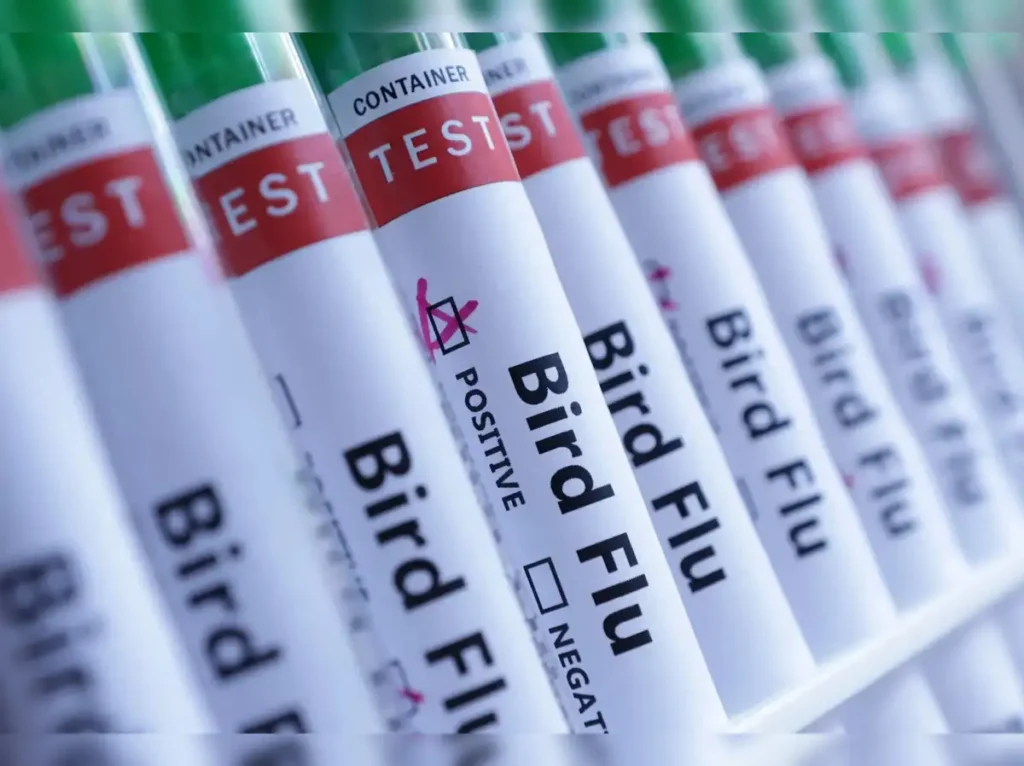
As memories of the COVID-19 pandemic slowly fade from the global spotlight, a new warning is emerging—and this time, it’s about bird flu. Virologists and public health experts from more than 40 countries are speaking out with urgency: the H5N1 avian influenza virus is spreading more widely, adapting in concerning ways, and it’s time for world leaders to take it seriously.

In a sweeping new commentary published this week in The Lancet Regional Health–Americas, the Global Virus Network (GVN) makes it clear: H5N1 is no longer just an agricultural issue. It’s evolving into a looming human health threat.

A Virus on the Move

For decades, bird flu has lurked mostly in poultry farms and wild birds, occasionally infecting humans in close contact with animals. But in recent months, that pattern has started to shift in troubling ways.

“In the U.S., sporadic human infections with no known contact with infected animals highlight the possibility of viral adaptation for efficient human-to-human transmission,” GVN scientists wrote.

Let that sink in: people are getting sick without any clear link to infected birds or animals. That’s a red flag in the world of epidemiology. It suggests that H5N1 might be learning to spread more easily among people—a chilling echo of the early days of COVID-19.

Adding fuel to the fire, the virus is now widespread in North America. It has infected over 995 dairy cow herds and at least 70 people across the U.S. This includes some severe cases and, tragically, the first reported H5N1-related death in the country.

“The virus’s ability to infect both animals and humans, combined with recent genetic changes, underscores the importance of proactive surveillance and rapid response,” said Dr. Sten H. Vermund, chief medical officer of the GVN and dean of the USF Health College of Public Health. In simpler terms: this is no time to wait and see.

A Devastating Toll on Animals—And a Warning for Humans

Since 2022, the bird flu crisis has led to the culling or death of more than 168 million poultry animals in the U.S. alone. Every state in America, along with Canada, has reported cases. And while the virus hasn’t yet proven it can spread easily from human to human, experts warn it could be just a few mutations away.

“We’ve seen this movie before,” said Elyse Stachler, a GVN member and research scientist at the Broad Institute of MIT and Harvard. “Viruses evolve, and if we don’t catch those changes early enough, they can outrun our response efforts.”

Stachler and her colleagues are pushing for a “robust nationwide monitoring system” to catch new outbreaks in animals before they spill over into people. She emphasized that trust with farmworkers, who are often on the front lines, will be crucial. “We can’t monitor effectively without buy-in from the people who are most exposed.”

What Makes H5N1 Different—And Dangerous

Unlike seasonal flu, which spreads every year but usually causes mild illness, H5N1 is considered a highly pathogenic virus. In bird flu, it kills swiftly. In humans, while rare, it can cause severe respiratory disease, pneumonia, organ failure, and death.

bird flu

Symptoms for Bird Flu in humans can include:

  • Coughing
  • Severe body aches
  • Fatigue
  • High fever
  • Difficulty breathing

In short about bird flu: this isn’t a virus anyone wants to gamble with.

Even more concerning is the fact that H5N1 has recently infected mammals like cows—a new development that expands the virus’s reach and raises fresh fears about its adaptability. Viral mixing between human and animal flu strains could create a version of H5N1 that is not only deadly but also easily transmissible among people.

“We cannot sleepwalk into another pandemic,” warned Dr. Christian Bréchot, president emeritus of the GVN and senior associate dean at the USF Health Morsani College of Medicine. “The situation with H5N1 demands heightened vigilance and collaboration across public health sectors.”

The Experts’ 8-Step Action Plan

So what can be done? The GVN experts have laid out a clear, eight-point roadmap for action—one they hope global leaders will heed before it’s too late.

  1. Monitor Continuously: Regular testing of animals, milk, wastewater, and farmworkers to track any signs of the virus evolving.
  2. Accelerate Data Sharing: Countries must swap genomic data in real time to track the virus’s spread and mutations.
  3. Enhance Biosecurity: From strict farm-cleaning protocols to personal protective equipment (PPE), farms need better defenses.
  4. Empower Workers: Farmworkers should have access to self-administered diagnostic tests and healthcare services.
  5. Fund Preparedness: More money is needed for outbreak responses, especially in regions most at risk.
  6. Predict Risks Early: Invest in tools that predict dangerous traits in flu viruses before they cause outbreaks.
  7. Develop Vaccines Fast: Stockpile and roll out vaccines for both humans and animals as soon as possible.
  8. Study the Virus Closely: Conduct clinical research on emerging strains, potential treatments, and vaccines.

It’s a comprehensive plan—and one informed by the hard lessons of COVID-19, when delays in surveillance and response allowed a local outbreak to become a global catastrophe.

Pandemic Fatigue vs. Pandemic Preparedness

Yet, the call for action comes at a tricky time. Around the world, pandemic fatigue is real. Governments are under pressure to move on from COVID-19, and public health funding has been slashed in many countries.

“We get it—people are tired of hearing about pandemics,” said Dr. Vermund. “But ignoring H5N1 won’t make it go away. In fact, it could make the consequences much worse down the road.”

Indeed, the story of pandemics is often a story of missed warnings. SARS in 2003, MERS in 2012, and COVID-19 in 2019 all began as localized outbreaks before spiraling out of control. H5N1 has been on scientists’ radar since the late 1990s, but the virus’s recent leap into North American livestock marks a dangerous turning point.

“If we fail to act now,” Bréchot added, “we risk paying a much higher price later—both in lives and in economic terms.”

What Ordinary People Can Do

While much of the heavy lifting will need to be done by governments, public health agencies, and the agricultural industry, there are still steps individuals can take:

  • Stay informed through credible sources like the CDC and WHO.
  • If you work with animals, follow recommended safety guidelines.
  • Avoid direct contact with wild birds or sick animals.
  • Get your seasonal flu shot—it won’t protect against H5N1 directly, but it reduces the risk of co-infections that could help new viruses emerge.

Above all, experts say, the public needs to shake off complacency.

“We’ve just lived through the cost of being unprepared,” Stachler said. “Let’s not make that mistake again.”

A Call to Action

As of now, there’s no cause for panic—but there is every reason for vigilance. H5N1 is a clear and present danger that could either fizzle out with proper containment or ignite into the world’s next pandemic if ignored.

The choice, experts say, is still ours to make. And time is ticking.

Kenneth Darlington Sentenced to 48 Years for Double Homicide During Panama Protests

0
Kenneth Darlington

In a verdict that has gripped Panama and drawn international attention, Kenneth Darlington, a 77-year-old former university professor, has been sentenced to 48 years in prison for the brutal killing of two protesters during the nationwide unrest in late 2023. The Attorney General’s Office confirmed the sentence on Tuesday morning, June 11, marking a decisive moment in the country’s response to violence linked to political demonstrations.

Kenneth Darlington

Darlington was convicted of aggravated intentional homicide in the deaths of Abdiel Díaz, an educator, and Iván Mendoza, the husband of a teacher, during the November 7 protests in Chame, Panama Oeste province. He was also found guilty of illegal possession of a firearm—a weapon he used to fire on a crowd of peaceful demonstrators blocking the Pan-American Highway. The shocking attack was partially captured on video by journalists at the scene, footage that later became key evidence in court.

According to prosecutors, Kenneth Darlington approached a group of protesters—many of whom were teachers and their family members—before opening fire. Díaz died at the scene, near the entrance to Chame, while Mendoza succumbed to his injuries later in the hospital. Eyewitness accounts and media recordings showed chaos as demonstrators scrambled for safety while Darlington fled the area. He was later apprehended and charged.

What makes the case even more complex is Darlington’s background. Born in Colón, Panama, he had led a life far removed from violence until this deadly outburst. A professor affiliated with Florida State University, Darlington was known in academic circles as a cultured, multilingual intellectual. He spoke four languages, played piano, and had lived in Romania, Spain, and Panama throughout his career. But behind this refined exterior, there was a darker legal history. Darlington had previously faced prosecution for illegally carrying firearms, though he managed to overturn that case on appeal—an unsettling detail now seen in a harsher light.

The killings took place amid heated protests over a controversial mining contract signed between the Panamanian government and a foreign mining corporation. The deal sparked widespread anger, especially among educators and environmental activists, who accused the state of selling out national resources at the expense of local communities. On November 7, tensions boiled over in Chame, where protesters, including Díaz and Mendoza, had been blocking the highway to draw attention to their cause.

The court’s decision to impose a 48-year sentence reflects the severity of the crime and sends a message about the state’s intolerance for violence against peaceful protesters. Legal experts note that given Darlington’s age—77 years—this effectively amounts to a life sentence.

The verdict has been met with a mix of relief and sorrow by the victims’ families, who have called for continued justice for those affected by violence during last year’s protests. Meanwhile, the case has prompted broader debate in Panama over gun ownership laws and the risks faced by those exercising their right to protest.

As Panama continues to grapple with the political and social fallout from the mining contract, the conviction of Kenneth Darlington stands as a stark reminder of the deadly consequences that can arise when public dissent is met with private violence.

Amazon Tariffs: Why Your Next Haul Might Look a Little Different

0
Amazon Tariffs

If you’ve shopped on Amazon Tariffs lately — and let’s be honest, who hasn’t? — you might’ve noticed something new popping up at checkout. Yep, Amazon is finally starting to show tariffs on the stuff you buy. It’s the latest twist in the world of online shopping, and honestly, it’s about time we all knew what we’re really paying for.

So, what did Amazon do, exactly? Well, in a big move (announced just this week), Amazon said they’ll now display tariff costs right up front before you hit that “Place Your Order” button. This isn’t just some tiny change; it’s a major shift in how the world’s biggest online store handles pricing. Suddenly, that big Amazon haul you’ve been planning — maybe a new blender, a phone case, and some cute sandals — might come with a little surprise: an extra line showing how much you’re paying in tariffs.

Let’s pause for a second. Tariffs? That word probably reminds you of political debates and trade wars, right? (Trump Amazon fights, anyone?) But here’s the thing: tariffs are basically taxes on imported goods. And for years, Amazon quietly rolled those costs into the prices you saw on the screen. You never really knew how much of your money was going toward tariffs versus the actual product. Until now.

So why the sudden change? Enter Karoline Leavitt, the new White House press secretary. She’s been pretty vocal about wanting big companies like Amazon to be more transparent. In fact, she called them out directly, saying shoppers deserve to see every fee, including tariffs, before they buy. And guess what? Amazon listened. Cue the big Amazon announcement today: they’re going full transparency mode and showing us the breakdown.

Now, let’s talk about how this affects you, the shopper. You’re used to seeing the item price, taxes, and shipping fees — maybe even a coupon discount if you’re lucky. But now, you’ll also see the Amazon tariff price listed right there. It might be a small amount or it might make you do a double take, especially on imported electronics, clothes, and home goods. This new policy is rolling out gradually, but soon it’ll be standard across the board.

If you’re wondering why this is happening now, well, it’s been a long time coming. Remember those days when Jeff Bezos and Amazon Tariffs were making headlines for clashing with politicians over taxes and trade? Yep, tariffs were a big part of that. During the Trump administration, tariffs spiked on goods from countries like China, and Amazon Tariffs had to adjust prices behind the scenes. But shoppers? We never really saw the nitty-gritty details. Until now.

And let’s be real: it changes things. Next time you go on a shopping spree — your usual Amazon haul — you might start paying more attention to where your products come from. That cute dress from overseas? It might come with a noticeable tariff fee now. Suddenly, domestic products could look a little more appealing.

Amazon Tariffs

Some sellers on Amazon are nervous about this shift. They’re worried that showing tariffs so openly will scare off buyers. And honestly, that’s a fair concern. No one likes seeing extra fees at checkout. But at the same time, plenty of shoppers are welcoming the change. It’s about knowing where your money’s going. As one customer said in a recent forum, “At least now I’m not getting blindsided.”

Amazon’s calling this move part of their tariff pricing transparency push. And while they’re framing it as a win for customers, there’s definitely a strategic angle here too. With political pressure heating up and other retailers watching closely, Amazon is getting ahead of the curve. Don’t be surprised if Walmart, Target, and other big names start doing the same soon.

Financial experts are keeping an eye on how this affects Amazon news and stock prices. Will people start shopping less once they see the real tariff costs? Or will they appreciate the honesty and keep clicking buy anyway? Early signs show a mix of reactions, but one thing’s for sure: the days of hidden fees are over.

And let’s not forget the global picture here. Tariffs aren’t going away — if anything, they’re becoming a bigger part of international shopping. By showing them up front, Amazon’s basically admitting that tariffs are now just another fact of life in e-commerce. If you want those imported goods, you’ll see the real cost before you pay.

So next time you’re loading up your cart for a big haul — maybe during Amazon Tariffs Prime Day or a flash sale — take an extra second to glance at that new tariff line. It might change how you shop. Or at the very least, it’ll give you a clearer picture of what’s really going on behind those low prices we’ve all come to love.

Like it or not, Amazon tariffs are now part of the online shopping experience. And with figures like Leavitt pushing for even more transparency, this might just be the start of a whole new era in retail — one where every dollar you spend tells the full story.

The Rise and Retreat of Selena Green Vargas: A Cautionary Tale of Internet Fame

0
Selena Green Vargas

Introduction: The Making of a Modern Icon

Selena Green Vargas wasn’t born into fame. There was no silver spoon, no entertainment dynasty, and certainly no grand PR machine backing her journey. In fact, her life—before everything changed—was strikingly ordinary. She worked a regular job, enjoyed creating art, and posted occasionally on social media about topics like wellness, identity, and fashion. To her small but loyal online circle, she was refreshingly relatable. Someone who seemed real in a sea of polished personas.

That “realness” is what initially drew people in. But in today’s digital age, where a single post can catapult someone from obscurity to viral infamy overnight, authenticity often becomes both a blessing and a burden. Selena’s story is one such case—an example of how quickly the tides can turn, how the same people who lift you up online can just as quickly tear you down, and how fame, when uninvited, can unravel even the most grounded individual.

From Passion to Platform: The Early Days of Selena Online

Long before hashtags with her name trended and media outlets speculated about her whereabouts, Selena was simply an artist. Her work focused on themes that were deeply personal—identity, resilience, cultural heritage. Initially, her posts were sparse and humble, just occasional snapshots of her art, reflections on mental health, and musings on life as a young creative in Los Angeles.

She didn’t chase followers. Her content wasn’t laced with brand endorsements or filter-heavy selfies. She stood out precisely because she wasn’t trying so hard to stand out. And that’s what made her feel accessible—human. Her audience, though small in the beginning, was fiercely supportive. They saw themselves in her—flawed, curious, expressive.

Slowly, her profile grew. She began collaborating with small, local brands, appearing at community art events, and gaining traction among niche art communities and socially conscious circles. Her style was distinct: raw, vibrant, and deeply rooted in self-exploration. At that point, she was on a steady incline—gaining momentum but still operating under the radar.

Selena Green Vargas Viral Moment: When the World Took Notice

Everything changed in June 2023.

At a downtown L.A. art event, Selena was photographed beside one of her pieces—a mixed-media artwork exploring themes of diaspora and self-reclamation. The image, which featured Selena standing confidently against a backdrop of graffiti and color, wasn’t meant to be controversial. In her mind, it was a moment of pride: her work on display, her message out in the world.

But the internet saw it differently.

Selena Green Vargas

Some praised the photo as powerful and representative. Others accused her of exploiting urban aesthetics for personal branding. The photo sparked a wave of opinion—some thoughtful, others vicious. Critics accused her of “performative activism,” of “aestheticizing struggle,” and of turning a deeply cultural subject into a social media moment.

The post was reshared tens of thousands of times. Memes popped up overnight. Influencers weighed in. Think pieces followed. Within days, Selena had gone from emerging artist to polarizing figure—her face, her art, her very identity now part of a national debate.

The Internet Responds for Selena Green Vargas: Applause, Accusation, and Everything In Between

Selena’s rise wasn’t marked by uniform praise. The photo became a battleground for conversations far larger than herself. Was she a brave new voice in the art world? Or a symbol of everything wrong with influencer culture?

On Instagram, fans rallied behind her. They defended her intentions, celebrated her artwork, and praised her vulnerability in navigating the spotlight. But Twitter, with its often unforgiving tone, turned the image into a spectacle. Comment threads turned brutal. Old posts were dredged up. Her character, credibility, and creativity were all called into question.

The situation snowballed. Headlines followed. Debates on YouTube. Podcast segments dissecting the symbolism of her pose, the color palette of her art, the “optics” of her aesthetic. It was analysis on steroids—often stripped of context, driven by outrage, and accelerated by algorithms hungry for controversy.

Selena Green Vargas: Cost of Going Viral

Fame is intoxicating. But when it comes fast and uninvited, it can also be disorienting, destabilizing, and deeply isolating.

Selena Green Vargas went from celebrating her first major public showing to watching her face plastered across gossip accounts, tabloid blogs, and social commentary videos. Every expression was dissected. Every sentence she posted became potential fuel for the next controversy.

The pressure was relentless.

Her DMs filled with everything from offers to threats. Brands who once courted her now hesitated. She was suddenly expected to answer for a conversation she didn’t start, to represent a cause she had only ever quietly explored through art. Fame, once a distant concept, was now her daily reality. But it came with no manual, no safety net, no grace.

Mental Health and the Weight of Visibility

In candid interviews later, Selena opened up about what those days felt like. She described the “unrealness” of it all—how surreal it was to be at the center of a conversation she barely recognized. She spoke of anxiety attacks, of sleepless nights, of refreshing her phone compulsively only to be met with more vitriol.

The internet can be brutal in its feedback loop. When you’re trending, you’re also under the microscope. And when the crowd turns, it turns quickly.

Selena Green Vargas had to make a choice: fight back or step away. She chose the latter.

The Disappearance: Pulling the Plug on Fame

Selena didn’t post a formal goodbye. There was no final Instagram story, no heartfelt YouTube vlog. Instead, she simply stopped. Slowly at first—missed uploads, fewer comments, longer silences. Then, all at once. Her profiles went dark. Her email auto-reply activated. Public appearances were canceled.

For fans, it was sudden and mysterious. For critics, it was expected. For Selena, it was necessary.

Behind the scenes, she had begun therapy. She leaned on a small circle of close friends. She reconnected with family. And most importantly, she took time to understand what she wanted—not what the internet expected of her.

Rebuilding a Life Outside the Limelight

Months later, sparse glimpses of Selena began to reappear—on friends’ stories, in tagged photos, in whispered updates from indie art circles. But this new Selena was different. She wasn’t chasing visibility. She wasn’t trying to rebrand or recover her image. She was simply existing, creating, living.

She became involved in community outreach, working with underrepresented youth artists in Los Angeles. She hosted closed workshops. She submitted anonymously to art shows. And slowly, she began to reclaim her voice—not as an influencer, but as a human being.

Her social media presence returned, but in a stripped-down, infrequent form. Gone were the high-polish posts and curated captions. In their place: blurry snapshots of sunsets, excerpts from poetry, close-ups of in-progress art pieces. Her audience, smaller now but far more engaged, seemed to understand. This was the real her. And she was here, not for spectacle—but for substance.

What We Learned from the Selena Green Vargas Phenomenon

Selena’s story isn’t unique. Many have gone viral, faced backlash, and chosen retreat. But what makes her case noteworthy is the nuance. She wasn’t chasing fame. She didn’t court controversy. Her moment of virality came from a place of vulnerability and creative expression—and yet, it was turned into content, dissected for clout, and ultimately used against her.

Her story forces us to reckon with some hard truths:

  • Fame is not always a choice. In the digital age, visibility can happen without warning. And once it does, the line between public and private life vanishes.
  • The internet demands perfection. Authenticity is applauded until it becomes inconvenient. Then it’s dissected, misrepresented, and monetized by others.
  • Mental health must be a priority. Public figures are human. And when the internet forgets that, the consequences can be devastating.
  • Not every story needs a redemption arc. Selena didn’t “bounce back” in the traditional sense. She didn’t relaunch a brand or capitalize on controversy. She chose peace. And that, too, is a valid ending.

Legacy: A Photo, A Conversation, A Culture Shift

That photo still exists. It’s been reposted, archived, and analyzed to death. But its legacy isn’t just about Selena. It’s about us—how we engage with people online, how we consume controversy, how we forget the humans behind the handles.

It sparked conversations that needed to happen: about authenticity in the influencer space, about how we view women artists, about the fine line between personal expression and performative branding.

In the years since, many in the digital space have referenced Selena’s story as a turning point. Some influencers have started setting firmer boundaries. Some platforms have begun implementing better tools for harassment protection. The culture is changing—slowly, unevenly, but noticeably.

Where Is Selena Now?

Selena Green Vargas lives a quieter life now. Still in L.A., still creating. But she’s more selective about what she shares and with whom. She mentors young artists. She occasionally shows her work under a different name. She travels, reads, writes.

Every now and then, someone will recognize her. A fan will say they miss her posts. A reporter will reach out for a quote. But Selena rarely engages. Not out of bitterness—but out of self-preservation.

She’s learned that silence can be powerful. That stepping away doesn’t mean failure. And that true influence often happens off-camera.

Conclusion: A Cautionary Tale for the Digital Generation

Selena Green Vargas’s story isn’t just about art, or fame, or a photo. It’s about the digital age itself—its promise, its pitfalls, and its impact on our collective psyche.

It’s a reminder that virality isn’t always a victory. That the people we click on, comment on, and critique are more than just content. And that behind every trending name is a person navigating emotions, expectations, and the endless noise of the internet.

In choosing to walk away, Selena didn’t disappear—she reclaimed herself. And in doing so, she gave us something far more valuable than a viral moment: a reason to pause, reflect, and rethink the way we engage online.